




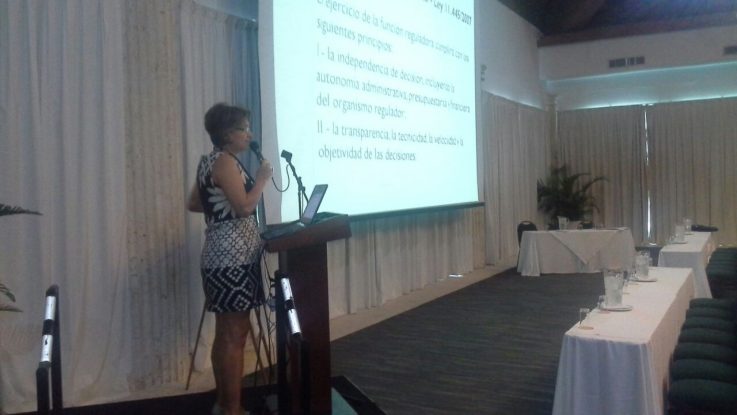
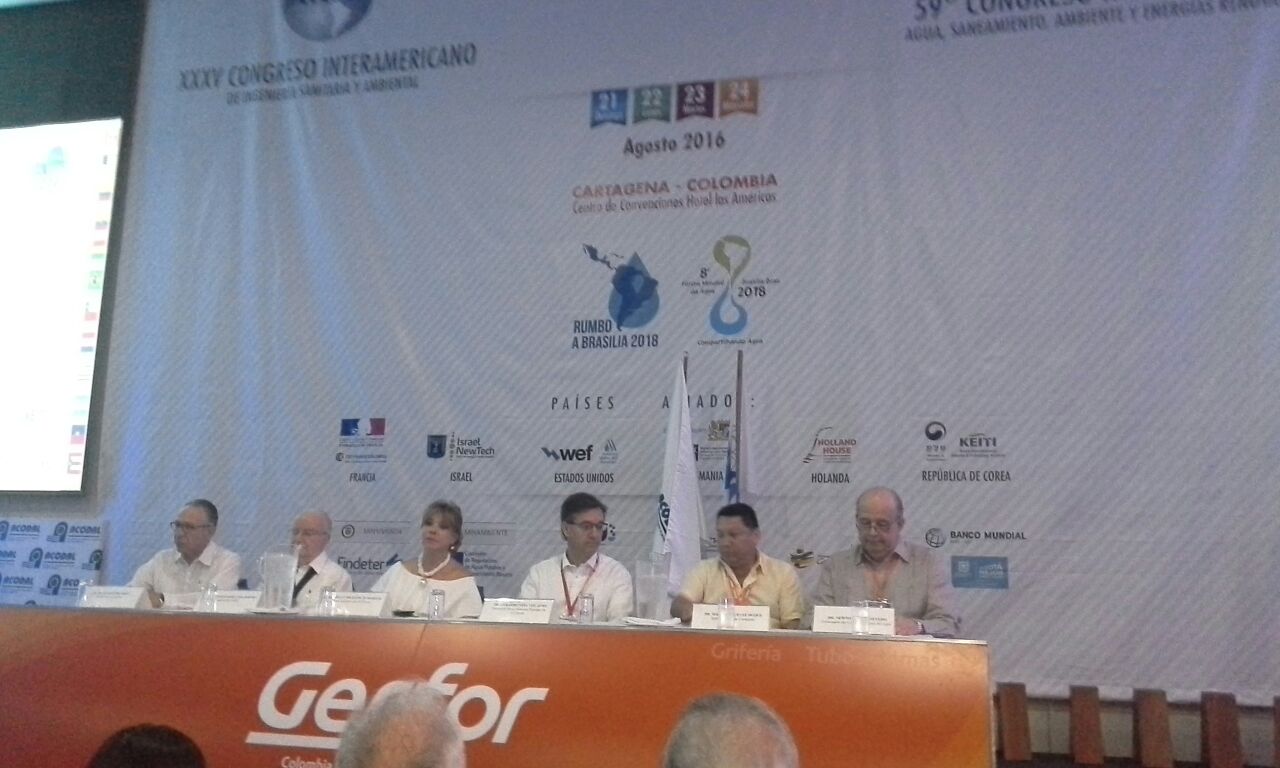
A ABES está presente no XXXV Congresso Interamericano de Engenharia Sanitária e Ambiental e no 59º Congresso Internacional ACODAL, em Cartagena, na Colômbia. O encontro é promovido até 24 de agosto pela Asociación Interamericana de Ingeniería Sanitaria y Ambiental, AIDIS, da qual a ABES é o capítulo brasileiro.
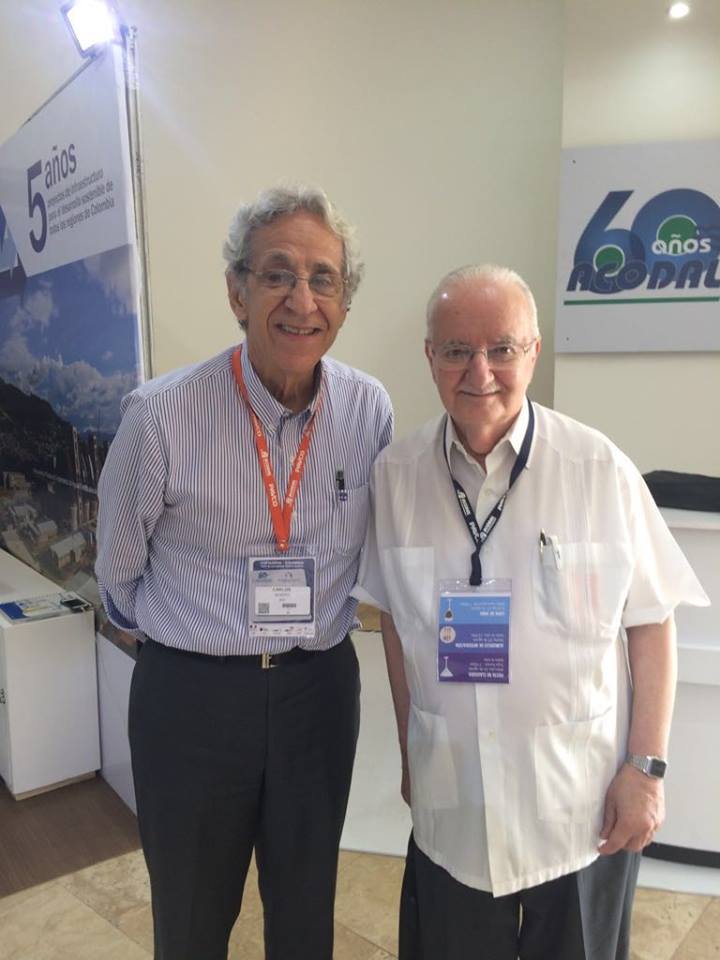
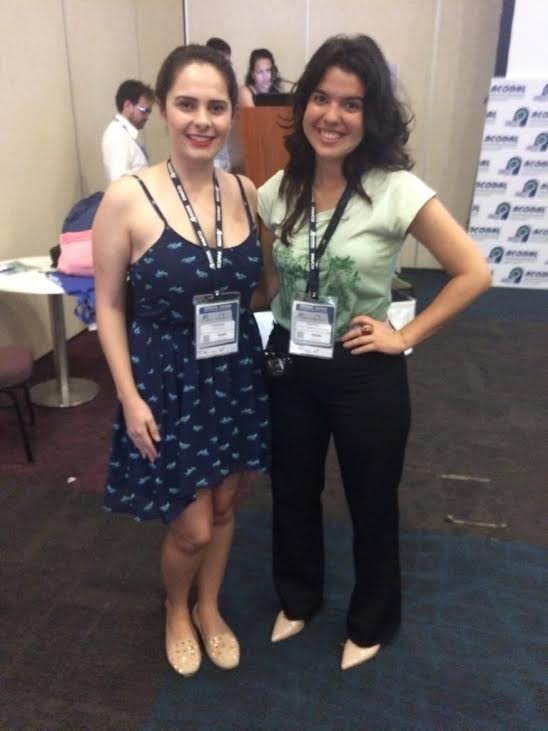
Entre os integrantes da ABES presentes no encontro estão o vice-presidente nacional da ABES, Carlos Alberto Rosito, Heliana Kátia Tavares Campos, coordenadora da Câmara Temática de Resíduos Sólidos da ABES, Darci Campani e Paulo Robinson, da ABES-RS, este último atual tesoureiro da AIDIS.
Nesta terça-feira, 23 de agosto, a Assembleia da AIDIS elegeu sua nova diretoria: Darci Campani foi eleito para a vice-presidência de Planejamento e Finanças, e Paulo Robinson permanecerá tesoureiro.
Representantes de 32 países estão presentes no encontro, uma das etapas do Fórum Mundial da Água, que será realizado em Brasília, em 2018. Estão sendo realizadas cerca de 500 conferências técnicas e de desenvolvimento tecnológico, com participação de especialistas internacionais, tendo como temas os Objetivos de Desenvolvimento Sustentável da ONU e os recentes acordos da COP Paris 2015.
O vice-presidente da ABES, Carlos Alberto Rosito, ressalta o destaque dado na Colômbia às parcerias com países estrangeiros, entre eles, Alemanha, França, Estados Unidos, Israel e Coreia do Sul. E também frisou a participação de muitos brasileiros, entre eles, associados da ABES com trabalhos inscritos: dos 238 escolhidos para apresentação oral, 94 ou 40% de brasileiros; dos 78 selecionados para o Programa de Pôsteres, nada menos do que 49, ou 76%, são de brasileiros (escute depoimento abaixo).
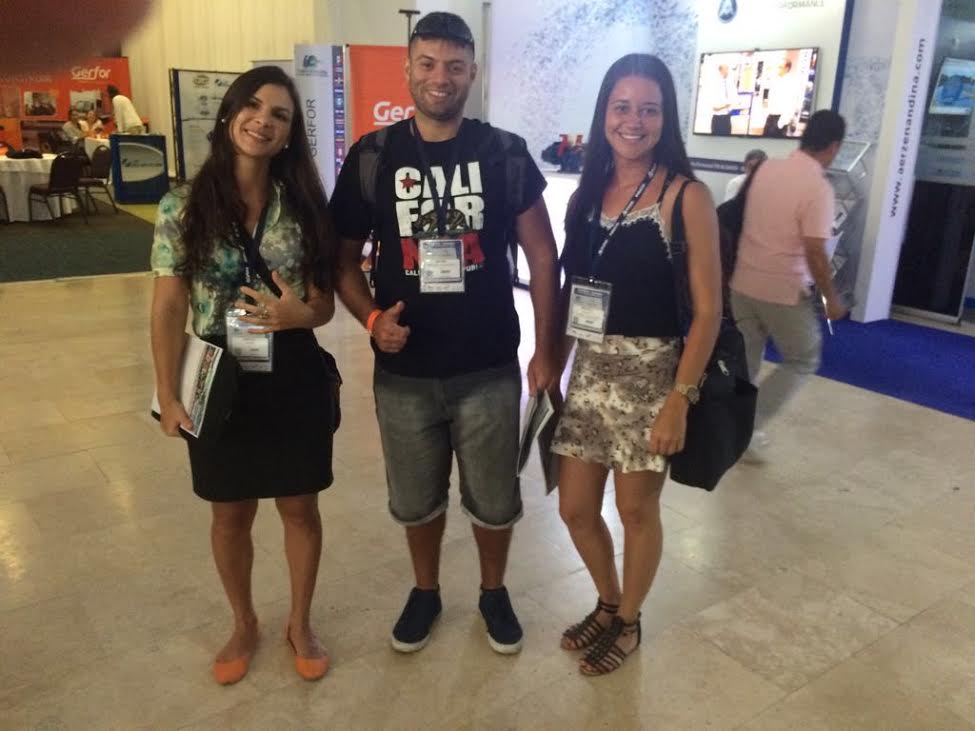
Também destacou a participação de muitos jovens brasileiros. “Há muitos apresentando trabalhos e envolvidos na criação do Parlamento Jovens pela Água.”
Escute o comentário de Rosito sobre o encontro:
Brilliant articulation of the problem. The industry has been too focused on metrics like DA/DR instead of actual traffic flow and user behavior.
Actually, I have to disagree slightly with the second point. In our testing, we found that over-optimization was less of a factor than pure engagement metrics. It’s interesting to see how different niches react differently.
This aligns with the “Signal Noise” theory we’ve been developing. You need enough noise to mask the signal, but not so much that you lose authority. delicate balance.
This is the missing piece of the puzzle for us. We had the content and the technical SEO, but the off-page signal diversity was lacking. Thanks for the clarity.
I’m skeptical about the timeline you proposed, but I’m willing to test it. If this holds up, it changes how we structure our entire outreach program.
This is a solid breakdown. One thing I’d add is that the impact of these updates often lags by 2-3 weeks. We tracked this across multiple projects and found the recovery phase is where most people give up too early.
This aligns with the “Signal Noise” theory we’ve been developing. You need enough noise to mask the signal, but not so much that you lose authority. delicate balance.
I’m sharing this with our content team. We’ve been struggling to explain why “quality over quantity” isn’t just a cliché, and this illustrates it perfectly.
Does this apply to non-English markets as well? We’re seeing conflicting signals in our EU campaigns compared to what you’ve described here. Would love to hear your thoughts on regional variance.
Finally, someone said it. The old school “blast and pray” method is dead. Precision and camouflage are the new standard.
This is a solid breakdown. One thing I’d add is that the impact of these updates often lags by 2-3 weeks. We tracked this across multiple projects and found the recovery phase is where most people give up too early.
Is there a specific tool you recommend for tracking the velocity? We’ve been doing it manually but it’s becoming unscalable.
Great resource. I’ve sent this to a few colleagues who are still stuck in 2015-era SEO tactics. Hopefully, this wakes them up.
One minor correction: the update rollout was actually 14 days, not 10. But that doesn’t change your main point—the volatility window is getting wider.
The depth here is impressive. Most guides just skim the surface of link velocity, but your point about “natural variance” hits the nail on the head. It’s exactly what we preach to our clients.
I’m sharing this with our content team. We’ve been struggling to explain why “quality over quantity” isn’t just a cliché, and this illustrates it perfectly.
I’ve been following this topic for a while, and your analysis on the structural shifts really adds a new perspective. We’ve noticed similar patterns in our internal data at SignalLayer, specifically regarding the volatility timeline.
This is the missing piece of the puzzle for us. We had the content and the technical SEO, but the off-page signal diversity was lacking. Thanks for the clarity.
tiktok ad accounts https://buy-tiktok-ads-accounts.org
fb bussiness manager https://buy-verified-business-manager.org
adwords account for sale old google ads account for sale
buy account https://accounts-marketplace.xyz
account selling platform find accounts for sale
accounts marketplace purchase ready-made accounts
accounts market account selling service
Sell Account Account Acquisition
Their global outlook is evident in their expansive services.
order generic lisinopril for sale
Their home delivery service is top-notch.
I do not even understand how I ended up here but I assumed this publish used to be great
This is my first time pay a quick visit at here and i am really happy to read everthing at one place